

- Details
- Hits: 1138
- Social Media Image:
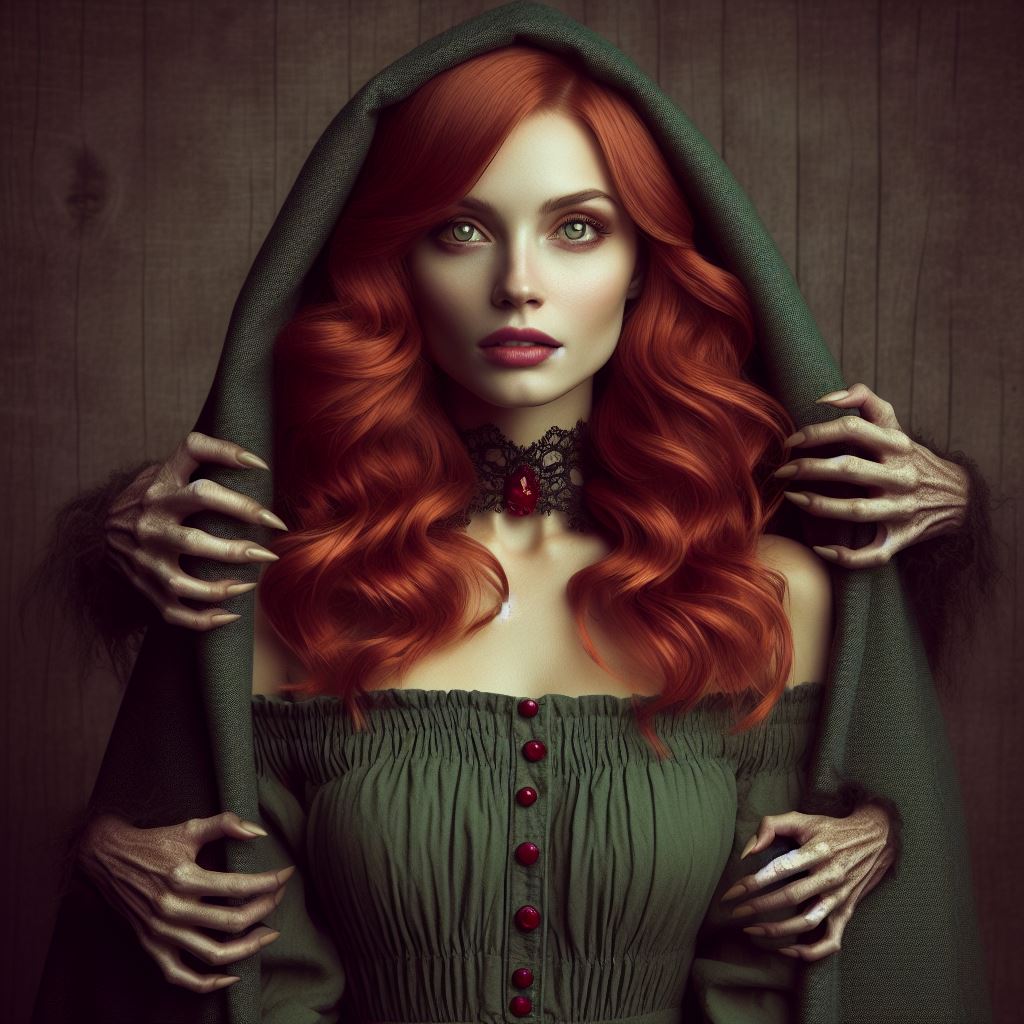
Vampire books have a reputation—and for some, it’s not a flattering one. If the idea of blood-drinking immortals makes you uneasy, you might assume these stories are all horror and gore. But that’s a huge misconception. The world of vampire fiction is far more diverse, emotional, and thought-provoking than its darkest stereotypes suggest. Whether you're a first-time reader or simply curious, it’s worth taking a closer look at what vampire stories really offer—and why they continue to captivate readers of all kinds.
Not All Vampire Books Are Gruesome — And Here's Why You Might Love Them
Vampire books have captivated readers for generations, from Bram Stoker’s Dracula to modern hits like Twilight and The Vampire Chronicles. But if you’ve avoided them because you think they’re all about blood, gore, and horror, you’re not alone.
Many people hesitate to dive into vampire fiction out of fear that it’s too graphic, too dark, or simply not their thing. The truth? Vampire books are often less about fangs and more about identity, transformation, romance, power, and humanity’s deepest desires and fears.
Let’s explore the surprising benefits of reading vampire fiction, especially for readers who may be on the fence.
Read more: The Surprising Benefits of Reading Vampire Books (Even If You’re Not into Gore)
- Details
- Hits: 1330
- Social Media Image:
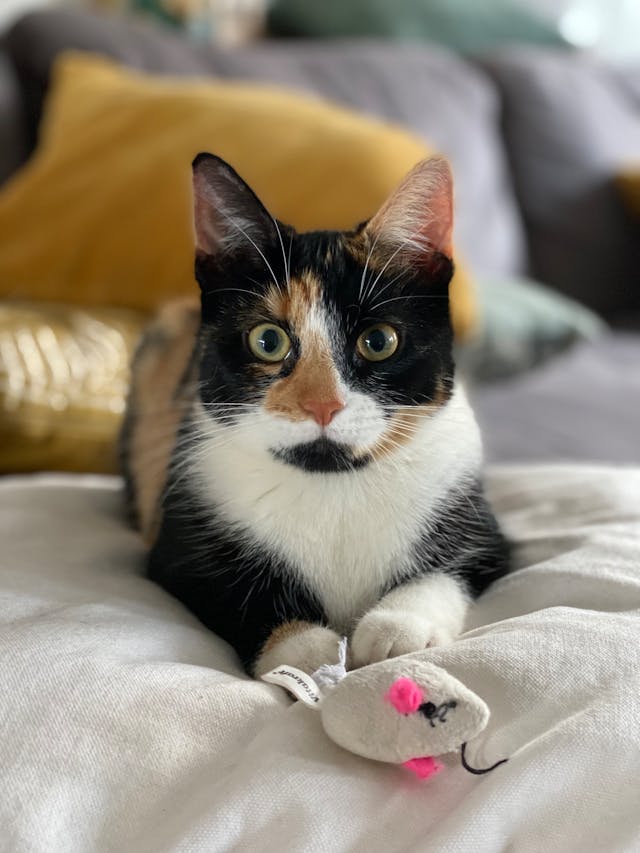
If you've ever found yourself glued to a suspenseful story where one character relentlessly chases another, only to have the hunted turn the tables, then you've likely experienced a cat and mouse thriller. Even if you’ve never heard the term before, this heart-pounding genre is one of the most popular forms of suspense fiction, featured in bestselling novels, blockbuster movies, and binge-worthy shows.
So, what exactly is a cat and mouse thriller, and why does it keep readers and viewers on the edge of their seats? In this guide, we’ll break it down for newcomers and curious readers alike.
Definition: What Is a Cat and Mouse Thriller?
A cat and mouse thriller is a suspenseful story structure in which one character (the "cat") is hunting, chasing, or psychologically toying with another character (the "mouse"). The tension escalates as the "mouse" tries to evade, outwit, or even reverse the roles.
The genre gets its name from the literal game between a cat and a mouse, where the cat stalks, corners, and plays with its prey before going in for the final move. In fiction, the stakes are often life-or-death, with high tension, unpredictable twists, and intense psychological dynamics.
Read more: What Is a "Cat and Mouse" Thriller? A Beginner's Guide to This Gripping Genre
- Details
- Hits: 8017
Dark romance is a genre that seduces readers with intensity, danger, and twisted desire. It’s not for the faint of heart—but for authors willing to explore morally gray characters, high-stakes emotional conflict, and taboo themes, dark romance offers a powerful, provocative storytelling space.
If you're looking to challenge your craft or break into a bold new niche, this article will help you understand what dark romance is, how it differs from other subgenres, and whether it might be the right fit for your writing style and creative goals.\
- Details
- Hits: 1398
- Social Media Image:
Writing erotica is a bold, creative act—but sharing that work publicly? That’s another story. For many erotica writers, the idea of putting their real name on a steamy novel or taboo short story feels... risky. That’s why so many authors in the genre choose to publish under a pen name.
If you’re a beginning erotica writer wondering whether to use your real name or a pseudonym, this article will walk you through the most common reasons authors in this genre choose a pen name—and why it might be the right move for you, too.
1. You Wish to Protect Your Personal Privacy
The number one reason erotica authors use pen names is to protect their privacy. Whether you write sensual romance or hardcore kink, publishing intimate stories can lead to awkward questions, judgment, or unwanted attention from family, friends, coworkers—or strangers online.
A pen name acts as a buffer between your personal identity and your creative work. It gives you freedom to explore themes like sexuality, fantasy, and desire without exposing your real-life identity to scrutiny or misunderstanding.
Especially in an age of digital footprints and Google searches, separating your erotica career from your real name can give you the confidence and security to write more authentically and fearlessly.
Read more: Should Erotica Authors Use a Pen Name? Exploring the Benefits and Considerations
- Details
- Hits: 1862
- Social Media Image:
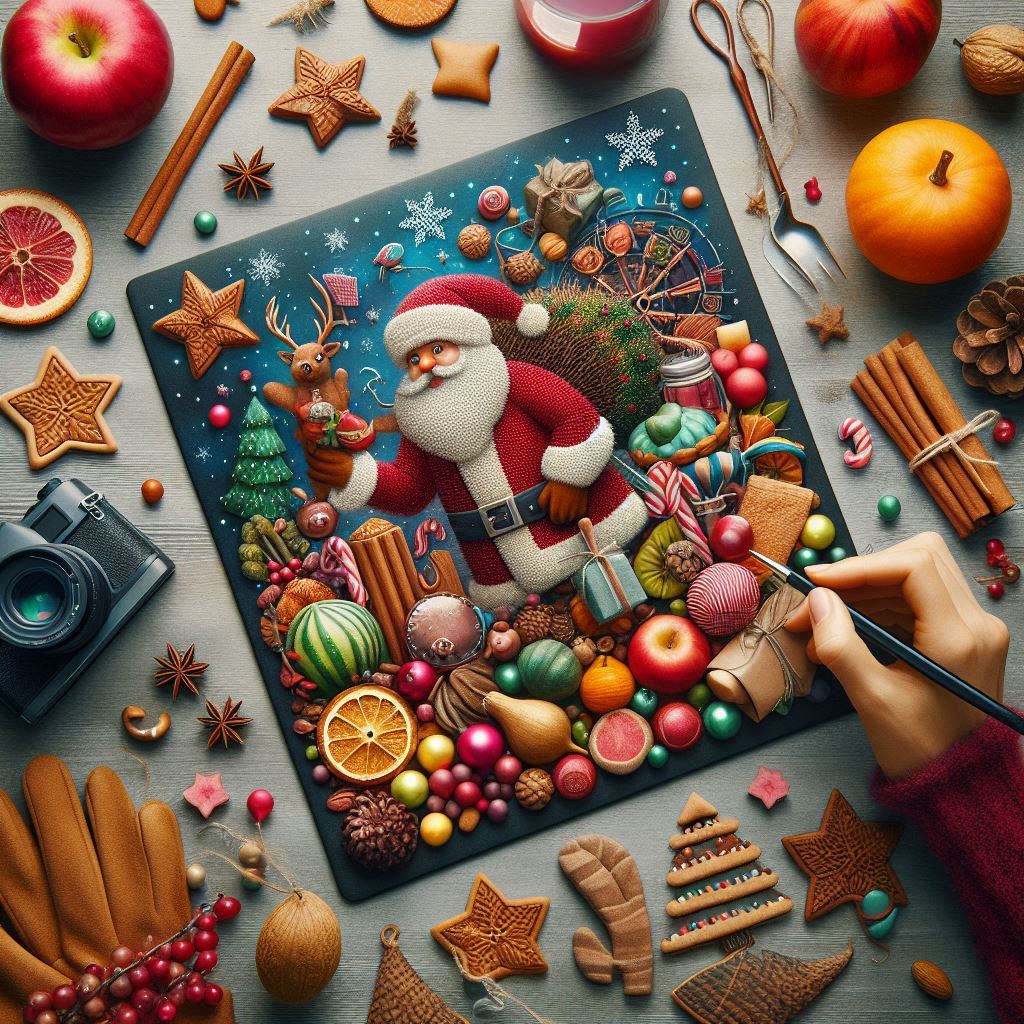
Whether it’s the magical charm of a snowy Christmas Eve, the joy of a Thanksgiving dinner, or the spooky thrill of Halloween night, holiday stories have a special place in our hearts. Writing a holiday short story can be a fantastic way to capture the essence of a season and connect with readers who are seeking the nostalgia, excitement, and warmth these times bring.
Let's explore how to write a compelling holiday short story that stands out and leaves readers feeling the holiday spirit.
1. Choose Your Holiday Theme and Tone
The first step in writing a holiday short story is deciding on the theme and tone. Holidays evoke different emotions, so think about the message and atmosphere you want to convey.
- Christmas: Themes of love, family, miracles, and generosity. Tone can range from light-hearted and cheerful to reflective and poignant.
- Halloween: Themes of fear, mystery, and transformation. Tone often leans towards eerie, suspenseful, or even humorous if you opt for a playful approach.
- Thanksgiving: Themes of gratitude, reconciliation, and community. A warm and nostalgic tone fits well here.
- New Year’s: Themes of change, hope, and new beginnings. The tone can be hopeful, bittersweet, or even celebratory.
Think about how the chosen holiday can influence the mood of your story. Once you settle on the theme, it will be easier to build your plot around it.